
- Alabama
- Alaska
- Arizona
- Arkansas
- California
- Colorado
- Connecticut
- Delaware
- Florida
- Georgia
- Hawaii
- Idaho
- Illinois
- Indiana
- Iowa
- Kansas
- Kentucky
- Louisiana
- Maine
- Maryland
- Massachusetts
- Michigan
- Minnesota
- Mississippi
- Missouri
- Montana
- Nebraska
- Nevada
- New Hampshire
- New Jersey
- New Mexico
- New York
- North Carolina
- North Dakota
- Ohio
- Oklahoma
- Oregon
- Pennsylvania
- Rhode Island
- South Dakota
- Tennessee
- Texas
- Utah
- Vermont
- Virginia
- Washington
- West Virginia
- Wisconsin
- Wyoming
How to Conduct a South Carolina Business Entity Search
Page Navigator
- How to Conduct a South Carolina Business Entity Search
- Allowable Entity Types in South Carolina
- Why Search for a South Carolina Business Entity
- How to Search for Business Entities
- How to Access Detailed Information
- What Information Can You Find with the Secretary of State?
- What Business Entity Information is Not Public
- How to Find EIN and UCC Records in South Carolina
- EntityCheck Business Background Check Goes Further
- Alternative Resources Beyond the SOS (Secretary of State) Search
- How to Find the Owner of a Business Entity in South Carolina
- Additional Resources for Business Ownership Info
- Types of Owners and Their Roles
- Red Flags to Look for When Searching Business Entities
- Best Practices When Reviewing Business Entity Records
- How to Register an Entity in South Carolina
- How Much Does It Cost to Start a Business in South Carolina?
- FAQs

South Carolina has approximately 460,000 businesses in total. Small businesses make up roughly 99.4% of this total. Small businesses, in particular, often struggle to survive. For example, from March 2021 to March 2022, 21,778 new businesses opened in South Carolina. However, 13,074 of them closed, resulting in a net increase of only 8,704 companies.
Most South Carolina business owners register there because they reside in the state. Some of the other advantages of registering a business in South Carolina include legal protection, such as limited liability, business credibility, tax advantages like pass-through taxation, and favorable tax credits. South Carolina offers a high degree of management flexibility within its business structure, along with generally affordable costs and simpler compliance procedures. For example, LLCs are not required to file annual reports.
South Carolina offers incentives, such as the High Growth Small Business Job Creation Act, to encourage investment and growth in small businesses. As such, the state is recognized across the U.S. as a top state for business, providing a supportive environment for entrepreneurs and companies looking to start or expand.
Allowable Entity Types in South Carolina
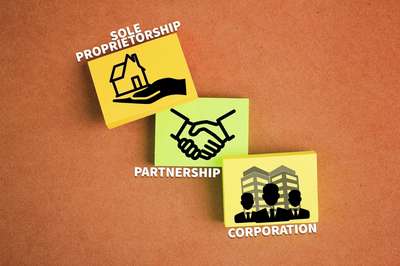
In South Carolina, you can form your business as a Sole Proprietorship, Partnership, Corporation, or Limited Liability Company (LLC). You can also form other types, such as Nonprofit Corporations, S Corporations, and Benefit Corporations, or operate as a Foreign Corporation (an entity from another state).
The most common type of business entity for small businesses in South Carolina is the Limited Liability Company (LLC), which offers liability protection, flexible taxation, and a management structure that suits the needs of its owners. The largest industry sectors are real estate and rental/leasing, followed by information and construction. However, the state is home to a diverse range of small businesses across various industries, including professional, scientific, and technical services, as well as other services and retail shops.
Why Search for a South Carolina Business Entity
Searching for a South Carolina business entity can provide you with vast information to help you make better decisions. The most common reason someone searches for a South Carolina business entity is to check name availability before registering a new company. That is a mandatory step when forming a new business. Some of the other reasons are as follows:
Verify Business Status: You can check if a business is "in good standing," dissolved, or has a forfeited status, ensuring they are compliant with state requirements.
Perform Due Diligence: If you're considering partnering with or acquiring another company, searching their entity details can help you understand their history and compliance.
Research Competitors: You can learn about businesses operating in your industry, helping you to monitor the competition in South Carolina.
Gather Business Information: The search tool provides access to public records, including a business's filing history and contact information.
Ensure Compliance and Avoid Filings Rejection: A successful search prevents you from selecting a name that is too similar to an existing business, which could cause your own filing to be rejected by the Secretary of State.
Reserve a Business Name: You may also perform a search before reserving a business name.
Compliance Naming: Understanding Compliance with Naming Rules.
Registered Agent: Look up a registered agent for service of process.
General Research: Access other business filing information for research.
Avoid Trademark Infringement: Search for registered trademarks to avoid conflicts.
Lawsuits: Performing research for lawsuits, contracts, or due diligence before any significant transactions.
How to Search for Business Entities

You may access information on South Carolina entities through the official Business Entities Online search tool on the Secretary of State website. You can search by "starts with," "contains," or "exact match" to find specific entities or check for name availability.
Select your criteria:
Begins With: List of businesses with names that begin with the letters you entered.
Contains: List of businesses with names that contain the entered letter combination.
Exact Name: List of businesses with the exact name as typed into the search field.
After selecting your search option, entering a full or partial business name, and initiating the search, the platform will generate a list of search results that match the inputted information. The results list typically details the business's full name, date of incorporation, entity type, status, and the state in which it is incorporated. You may subsequently access additional information on a particular business by clicking on it.
How to Access Detailed Information
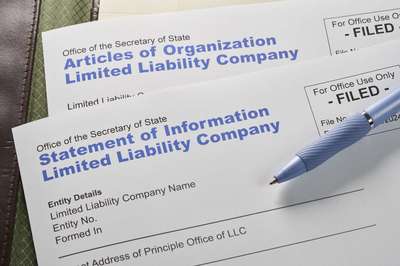
Selecting a specific business entity from the generated list typically allows you to view more information on the business (in addition to the details provided on the initial search list), such as:
Its entity ID
Important dates, such as the effective date, expiration date, dissolution date, etc.
The name and address of its registered agent
Whether it's a domestic (incorporated in South Carolina) or foreign (incorporated outside South Carolina) entity
The entity's official documents on file
For additional support with accessing business entity information, you may contact the South Carolina Secretary of State's office at (803) 734-2158 or (803) 734-2170. Inquiries may also be directed to the office's Business Filings Division online.
What Information Can You Find with the Secretary of State?
The Secretary of State maintains a database of all the registered businesses within the state. A basic search will reveal the following information:
Business Name Availability: Search to see if a desired business name is already in use.
Entity Status: Determine if a business is in good standing or if its status has changed.
Entity Type: Identify the legal structure of the business, such as a Corporation, LLC, or Nonprofit.
Registered Agent: Find the name and address of the entity's registered agent.
Filing History: Access a history of filings, including annual reports and amendments.
Principal Office Address: Locate the business's primary office address.
Officers and Directors: For corporations, you can often find information about the officers and directors.
Certified Copies: Request and obtain official copies of corporate documents or certificates of existence.
What Business Entity Information is Not Public

In South Carolina, a business search through the Secretary of State's office reveals basic entity information; however, personal information, such as the owner's or officer's addresses and financial details, is generally not publicly available. Information such as registered agent details is public, but specific private financial data is protected to maintain individual privacy and business confidentiality.
Information that is not public in South Carolina includes:
Owner/Officer Addresses: The personal addresses of owners or officers are not listed in the public business search, though a registered agent's information is required and public.
Confidential Financial Data: Information regarding the financial standing of a business or its owners is not made public through the Secretary of State's office.
Trade Secrets: Formulas, processes, methods, or other proprietary information that derives economic value from not being generally known to the public and is the subject of reasonable efforts to maintain its secrecy.
Private Employee Medical Records: Medical and health insurance information.
Customer and Employee Identifying Information: Personally identifiable information (PII) like Social Security Numbers, driver's license numbers, and passport numbers.
Revenue and Profit Numbers (unless a public company): Smaller companies that are not publicly traded can keep their financial data private.
Bank and Credit Card Details: Bank and credit card numbers, as well as loan information.
How to Find EIN and UCC Records in South Carolina

To find records for an EIN in South Carolina, use the South Carolina Secretary of State's Business Entities Online system to search by business name or other criteria to find company information. However, this method may not show the EIN. For a federal EIN, if the business is publicly traded, check the SEC filings. Otherwise, you must ask the company directly, check their business documents, or use the IRS's TIN Match system if you have the exact name. Use EntityCheck's EIN search tool to find EINs.
To look up UCC records in South Carolina, go to the South Carolina Secretary of State's UCC File and Search Online system and use the search function by debtor name or document number to find financing statements and information on security interests. You can also use EntityCheck's business background report to find UCC filings.
EntityCheck Business Background Check Goes Further
An even more insightful way to search for South Carolina business entities and access additional information is to utilize EntityCheck's powerful search engine. Search quickly and easily by business name, EIN, owner, phone number, or email address. Along with the information above, you can dig deeper to find incredibly illuminating details such as:
 UCC Filings:Discover Uniform Commercial Code (UCC) filings, showing creditors' attachment to business assets. These files provide insight into the organization's financial stability through its standing debts and resulting risk. Also find lien details, creditor and debtor information, filing and expiration dates, as well as collateral and asset claims.
 Court Cases:Evaluate a company's legal record to assess potential risks associated with its operations and identify any outstanding issues. Review bankruptcy filings, liens and judgments, federal court cases, litigation, and legal history of ongoing and past court cases.
 Licenses:Verify business credentials, including licenses, permits, and government certifications, as well as the educational backgrounds of decision-makers, to assess credibility.
 Filing & Compliance:Review a company's financial performance reports, DBAs (Doing Business As), and government Tax IDs.
 Trademarks & Patents:Find out what intellectual properties a company controls and review the details of any trademarks and patents it holds.
 Registered Individuals:Identify key decision-makers, registered agents, corporate officers, and leadership, even if this information is not readily available through official records.
Alternative Resources Beyond the SOS (Secretary of State) Search

Beyond the Secretary of State search tool, you can also find data regarding South Carolina business entities by visiting or contacting various government agencies. Several offices record, index, and maintain them, providing public records to requesters.
Some resources to check when evaluating a company are the following:
South Carolina Secretary of State: The South Carolina Secretary of State is the state's chief clerk. The office is responsible for filing and registering businesses, trademarks, and charities. It also issues commissions for notaries public, elected officials, and cable franchises. This agency serves as the state's filing office for municipal records and state resolutions. The office also maintains public databases for business records and boards and commissions, and it oversees the record-keeping of state laws and executive orders.
South Carolina Department of Commerce: The South Carolina Department of Commerce promotes economic growth and job creation by attracting new businesses, supporting existing ones, fostering workforce training, and encouraging exports and foreign direct investment in key industries like manufacturing, aerospace, automotive, agriculture, and technology.
South Carolina Department of Revenue (DOR): The South Carolina Department of Revenue is responsible for administering 32 different state taxes. The office also licenses and taxes all manufacturers, wholesalers, and retailers of alcoholic beverages in the state. The DOR's mission is stated as, "Our mission is to administer the revenue and regulatory laws of the State with integrity, effectiveness, and fairness to all taxpayers, while maintaining the highest security and the protection of taxpayer information."
South Carolina Department of Consumer Affairs: The South Carolina Department of Consumer Affairs (SCDCA) is the state's consumer protection agency responsible for protecting consumers and promoting fair marketplace practices. Some of the duties of this body include regulating the consumer credit industry, resolving consumer complaints, and educating consumers and businesses on consumer laws and related issues.
South Carolina Department of Labor, Licensing, and Regulation: The South Carolina Department of Labor, Licensing, and Regulation (LLR) promotes public health, safety, and economic well-being by regulating professions and industries, enforcing labor and safety standards, and providing training and education. The LLR handles the licensing of various professions, conducts safety inspections of public buildings and amusement rides, investigates wage complaints, and ensures safe work environments through its SC OSHA (Occupational Safety and Health Administration) division.
South Carolina Division of Small and Minority Business Contracting and Certification: The South Carolina Division of Small and Minority Business Contracting and Certification (SMBCC) connects small, minority-owned, and women-owned businesses with state contracting and procurement opportunities. The division offers a state-level certification that can boost a business's eligibility for targeted government contracts.
South Carolina Chamber of Commerce (COC): The South Carolina Chamber of Commerce advocates for businesses by monitoring legislation and promoting a competitive business climate through its annual "Competitiveness Agenda". This agency promotes economic development, supports workforce training, and offers members networking opportunities and resources to help their businesses thrive and succeed. The COC represents the collective interests of the state's business community at the local and state government levels.
South Carolina Small Business Chamber of Commerce: The South Carolina Small Business Chamber of Commerce (SCSBCC) is a non-profit advocacy organization that works to make state government more favorable to small businesses by lobbying for pro-small business policies and opposing detrimental ones, such as high utility rates or workers' compensation premiums. The SCSBCC works at both the state and federal levels, successfully supporting policies like lower state income tax for small businesses and workforce development tax credits.
South Carolina Business One Stop: The South Carolina Business One Stop (SCBOS) is a one-stop online resource for businesses in South Carolina, providing guidance, tools, and resources to help entrepreneurs start, manage, and grow their companies. It offers a "Business Wizard" to help users identify required licenses, permits, and taxes, and connects businesses with partner agencies to ensure compliance with state laws and regulations.
South Carolina Small Business Development Centers: The South Carolina Small Business Development Center (SC SBDC) provides free, individualized consulting, management, and technical assistance, and specialized services to help small businesses and aspiring entrepreneurs in South Carolina start, manage, and grow their businesses. Services include assistance with business plan development, access to capital and funding programs, video conferencing services, federal contracting, marketing, expansion into new markets, and disaster recovery.
Local County and Municipal Offices: South Carolina's local county and municipal offices provide a wide range of local government services, including infrastructure and transportation, public safety, economic development, parks and recreation, and public health. Some also act as county recorders, filing, recording, indexing, and maintaining public records. These offices are responsible for local-level public administration and serve as the general-purpose governing bodies for their communities, with responsibilities varying depending on the chosen form of government.
How to Find the Owner of a Business Entity in South Carolina

A business entity's official website is usually a good way to find out about its owners or executives. However, these websites may not always provide comprehensive ownership information, so you may need to use other resources to find the details. In South Carolina, owners' names and addresses are not public record, so you may have to dig deeper to find that information.
Some of the ways you can find the owner of a business entity in South Carolina are:
The South Carolina Secretary of State's Office
The Secretary of State's office is generally considered the primary repository for business entity information in South Carolina and may be a good source for accessing ownership information on businesses operating in the state.
The South Carolina Department of Revenue
The Department of Revenue typically maintains the names and contact details of a business entity's officers or directors.
Additional Resources for Business Ownership Info

Chambers of Commerce
Organizations such as the South Carolina Chamber of Commerce, the South Carolina Small Business Chamber of Commerce, and local chambers across the state typically maintain and may provide access to member directories containing information on entity ownership.
Local Business Licensing Offices
County and/or municipal license offices in South Carolina may also be a good source for getting information on the owners of businesses operating within their respective jurisdictions.
Better Business Bureau
The Better Business Bureau's South Carolina chapter typically provides reports on businesses operating in the state. While these reports are usually customer-focused and cover areas like reviews, complaints, and ratings (involving these businesses), they may also contain ownership information.
Public Records
Court records, real estate records, and other business-related public records in South Carolina may help uncover details about business ownership.
Types of Owners and Their Roles

In South Carolina, as in the rest of the U.S., business owners typically operate under common legal structures, including sole proprietorships, partnerships, limited liability companies (LLCs), and corporations. These business structures vary in complexity and liability, from the simple sole proprietorship to the more complex corporate structures with boards of directors and shareholders. Some of the different types of owners allowed in South Carolina are as follows:
Sole Proprietors
Partners (both limited and general)
Members (LLCs)
Shareholders (Corporations)
In a sole proprietorship, there is one person who owns and runs the business. The owner is also personally liable for the company's debts and can claim business profits on their personal tax return.
In partnerships, two or more people share the responsibilities, ownership, profits, and losses. South Carolina law does not require formal documents to form a general partnership; however, partners typically establish an agreement that outlines each person's role and responsibilities.
Corporations have a board of directors that makes decisions about the company's direction. They also have officers who manage day-to-day operations. Stockholders are the owners of the company through the purchase of stock.
Different entity structures have various roles and types of ownership. Some individuals who have control over a company may not hold a traditional role within it. Leadership is a crucial factor to understand before working with a company. South Carolina also has some specialized roles, such as Business Analyst, Actuarial Analyst, PR Manager, and Corporate R&D Chef.
Some of the more conventional roles within companies include:
Corporations
Officers: Officers are elected by the board of directors. The company's bylaws define specific powers and responsibilities. Examples include CEO, CFO, COO, etc.
Chair of the Board: The highest-ranking position on the board, often also serving as the organization's president.
Vice Chair: Supports the Chair in fulfilling their duties and responsibilities.
Treasurer: Oversees the organization's financial management and reporting.
Board Secretary: Responsible for administrative tasks, including keeping minutes and ensuring the board follows procedures.
Smaller Companies & LLCs
Managing Partner or Member: Usually found in LLCs, the owners of the company, which includes both active and passive members.
Board of Directors/Trustees: An Individual who serves on a board of trustees, a collective body that governs an organization like a university, charity, or mutual savings bank, ensuring it operates in the best interests of its stakeholders and fulfills its mission.
Red Flags to Look for When Searching Business Entities

When searching for business entities in South Carolina, it is helpful to know what to look for and avoid. Certain things can indicate situations that might make it unhealthy for you to associate with a particular client, partner, or supplier. Some things, like financial instability (declining revenue, high debt, and poor cash flow), may be easier to spot than other, less transparent issues. That is why you need to dig deep and rely on the most valuable resources for information, like EntityCheck.
Always verify claims, check for consistent information across platforms, and ensure the company has a solid reputation and sound financial health before making a decision.
Entity Status Problems

One of the first things to review is a business entity's status. A business that is no longer "Active" or "In Existence" may have failed or be undergoing dissolution, posing risks to your company, which could be a good reason to reconsider your involvement.
According to the Commerce Institute, in South Carolina, approximately 20.5% of new businesses fail within the first year, and around 49.4% fail within the first five years.
Inconsistent or Suspicious Information

Be watchful for inconsistent or suspicious information. For example, if you see the company name spelled differently in multiple places, let that be a red flag that something is not right. Some other things that may indicate a problem include:
Lack of Transparency: This includes poor or incomplete documentation, refusal to provide information, or incomplete answers to questions.
Negative or Vague Online Reputation: Be cautious of a lack of online reviews, numerous bot-like reviews, or a generally poor reputation, as these can serve as warning signs.
History of Fraudulent Activity: Any past fraudulent activity should be a major concern and a strong indicator of potential future issues.
The FBI's 2024 Internet Crime Report shows substantial losses to businesses and residents, and the South Carolina Department of Consumer Affairs (SCDCA) receives thousands of complaints each year regarding contractors and real estate fraud.
Ownership and Management Concerns

You should also review a company's ownership and management practices. How the company is run will tell the whole story. Some things to watch out for include:
High Employee Turnover: This can suggest poor management, a toxic work environment, or other internal problems.
Frequent Management or Reorganizations: Constant changes in leadership or structure can signal instability.
Lack of Communication: Siloed departments that fail to share information or exhibit a general lack of open communication are indicative of poor leadership.
Poor Online Presence: An unprofessional website, inconsistent contact information, or a minimal social media presence can indicate a lack of credibility or even potential fraud.
Always use EntityCheck first to review the owners, directors, officers, and associates who work at a company in South Carolina.
Financial and Legal Warning Signs

Financial warning signs can save you thousands and even more by conducting due diligence first and revealing what is really going on behind the scenes. Some financial red flags regarding South Carolina businesses include:
Declining Revenue and Profits: A sudden drop can signal underlying problems with the business model, market share, or operational efficiency.
High Debt Levels: Excessive debt can indicate poor financial management or an unsustainable business model. In some cases, it may also indicate fraud.
Poor Cash Flow: Inconsistent income, frequent late payments, or difficulty meeting obligations are signs of operational weakness.
Inaccurate or Messy Financial Records: This can be a sign of hidden fraud or an inability to understand the company's true financial health.
High-Risk Financial Transactions: Look for unusual owner compensation, personal expenses run through the business, or large, one-time transactions without a clear explanation.
Legal and Compliance Issues

The last thing you want is to get in the middle of some other company's legal battles. Always check any pending or even frequent past litigation. Multiple lawsuits about the same issue say a lot. Some legal red flags to watch out for include:
Pending Litigation: Ongoing legal disputes can represent significant financial risks.
Regulatory Violations: A history of regulatory issues or non-compliance indicates potential instability or criminal activity.
Intellectual Property Disputes: Disputes over patents or trademarks can lead to significant legal and financial consequences.
Connections & Affiliations
To ensure thoroughness in your research, cross-check owners/officers with other relevant entities. Sometimes one person runs multiple dissolved/failed companies. Look for repeat patterns of dissolutions followed by new formations. That is a significant indicator of potential fraud. Also, look for companies with connections to organized crime figures, politically exposed persons (PEPs), or other notorious companies with a history of poor business practices.
Some red flags in broader business records include the following:
Inconsistent Public Records
- Company filings don't match what's listed in:
Court records
Tax records
Property ownership filings
An example of this is that the registered address differs from the address in lawsuits or liens.
Poor Record-Keeping
Missing meeting minutes (for corporations).
No updated ownership/member list for LLCs.
Lack of transparency in accounting records.
Regulatory Issues
Fines, sanctions, or loss of licenses with state agencies.
Businesses flagged by the Better Business Bureau or the Attorney General's office.
Unusual Patterns
Very recent incorporation with sudden high activity.
Foreign entities registered but not compliant with local laws.
Shell-company indicators (multiple entities tied to the same registered agent at the same address).
Best Practices When Reviewing Business Entity Records

Utilize the best practices outlined below to maximize the benefits of your research. A business background check can take time, but it can yield a wealth of information that could help you avoid any costly mistakes.
Cross-reference everything.
Compare the UCC filing data with records from litigation and bankruptcy courts. Look for discrepancies between the documents.
Check annual reports for consistency year-over-year.
Research the owners of a company to detect possible bankruptcies, felonies, fraud, and other legal issues that could affect your business.
Use business verification services or business background reports from EntityCheck.
Keep in mind the context. For example, a single lien may not be alarming, but multiple filings, lawsuits, and frequent leadership turnover together signal real risk.
How to Register an Entity in South Carolina
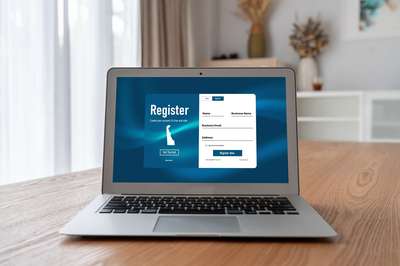
It is always a good idea to check the availability of your desired business name before registering a business in South Carolina, as this can help you avoid potential issues down the road. You can conduct name availability checks through the Secretary of State's Business Name Search platform.
Naming your new business is only half the story. Once you confirm that your business name is available, you have several additional steps to complete the formation process and begin using your new company name. Depending on the type of corporate structure, these items may differ somewhat, but the general process is as follows:
Register Your Business Entity: One of the most crucial steps for formalizing your business and legally securing your name is to register your business entity. Use the business filing portal on the South Carolina Secretary of State website to register your chosen entity type (like an LLC or corporation). You will need to provide documentation and other information when filing. They will also charge you a $110 fee when registering.
Obtain an EIN: Apply for a federal Employer Identification Number (EIN) through the Internal Revenue Service (IRS). It is quick, easy, and free. You will need an EIN for filing taxes, paying employees, opening a business bank account, and establishing business credit, among other purposes.
Secure a Matching Domain Name: To establish an online presence, register a domain name for your business that closely matches your business name, making it easy for customers to find your website.
Open a Business Bank Account: Using your EIN and formation documents, you can open a dedicated business bank account to keep your personal and business finances separate.
Obtain Licenses and Permits: Research and acquire any state, county, or local licenses and permits required to operate your specific type of business in South Carolina. Certain industries, such as those that sell alcohol or tobacco, require special permits to operate.
File for a Trademark: To protect your brand even further, file for a federal trademark registration to prevent others from using your business name or logo nationwide. You can do this through the United States Patent and Trademark Office (USPTO).
How Much Does It Cost to Start a Business in South Carolina?

Starting a business in South Carolina typically requires filing registration documents with the Secretary of State.
Fees vary by entity type, typically ranging from $10 to $110 or more. Other costs to account for may include:
Local Business License Fees
Required by county or city governments for operation.
Trademark and Service Mark Fees
For protecting your business name and brand identity.
Regulatory Permit & Tax Registration Fees
Based on your business structure and industry.
When naming your new company, you must follow South Carolina's strict naming guidelines. They are as follows:
Naming your business is one of the most critical steps when forming a company. Each state has its own company-naming regulations, and South Carolina is no exception. The state has a strict set of rules governing South Carolina business names that you must follow explicitly; failure to do so may result in registration rejection. Use the detailed list of naming guidelines below to help you name your South Carolina company:
Limited Liability Companies (LLC): Like most states, South Carolina has an entity type designation that applies to limited liability companies. When naming your LLC, you must add a suffix to the end to declare that it is a limited liability company. Your choices include LLC, L.L.C., L.C., LC, and sometimes Ltd. Co.
Distinguishable Name: Your new business name must be entirely different from all other businesses registered within the state of South Carolina.
No Misleading Names: When naming your company, you cannot use words that imply you are affiliated with the government. Some examples include the FBI, CIA, State Department, and Police, among others. You also cannot use words that imply an illegal purpose or words that are offensive.
Restricted Words: Certain words are completely prohibited and may require special permission, such as "bank" or "attorney."
No DBAs: Unlike other states, South Carolina does not allow businesses to use a DBA (doing business as). If you want to operate your company under a different name, you must form a completely separate entity or brand and register it.
FAQs
- How do I look up who owns an LLC in South Carolina (members vs. managers)?
Depending on the types of business filings, you can use the South Carolina Secretary of State's Business Entities Online search tool to find public business records, which may include members or managers. If the information isn't online, you can file a public information request with the Secretary of State's office to access documents such as the Articles of Organization. You can also use EntityCheck to find owners, officers, directors, managers, and members of a South Carolina organization.
- How can I find a corporation's officers and directors in South Carolina?
To find a South Carolina corporation's officers and directors, search the South Carolina Secretary of State's Business Entity Search portal, which provides access to official public business records, and review the corporation's public profile for details on its officers and directors. For publicly traded companies, you can also find this information for free through the SEC's EDGAR database.
- Are business owners' names public or private in South Carolina?
In South Carolina, some business owner names are public, as the state requires certain business entities (like corporations, LLCs, and partnerships) to register with the Secretary of State, and this information is accessible to the public through the state's online business entity search tool. However, for very small businesses or those operating under a sole proprietorship that doesn't register a formal entity, the owner's name may not be in the public record unless they register a Doing Business As (DBA) name.
- Where do I search official business records in South Carolina?
You can search official South Carolina business records, including the registered agent information, filing history, and entity status, by visiting the South Carolina Secretary of State's Business Entities Online system. You can also access other public records, such as Uniform Commercial Code (UCC) filings and information on charities, through other systems on the Secretary of State's website to find out more.
- How do I check if a business name is available or reserved in South Carolina?
To find out if a business name is available in South Carolina, use the official Business Name Search tool on the South Carolina Secretary of State's website. Enter the desired name into the tool to check if another company is already using it. If the name is available, you can reserve it through the same portal until you are ready to formally register your new company.
- How can I view recent filings (Articles, amendments, mergers, annual/biennial reports) for a company in South Carolina?
You can view a company's filings, such as Articles of Incorporation, amendments, and biennial reports, by using the South Carolina Secretary of State's Business Entities Online system. On this site, you can search for a business by name and view public information, including available documents and certified copies of corporate filings. To obtain copies, though, you will have to pay a fee.
- How do I get a Certificate of Good Standing/Existence in South Carolina?
Letters of Good Standing exist only for business entities that are current with all their required filings and have paid all their taxes. To get a South Carolina Certificate of Existence (Good Standing), visit the South Carolina Secretary of State Business Entities Online system and search for the company there. If found, you can then order the certificate online for $10. You can pay the fee with a credit card, and it should be available for immediate download. You can also mail in your request with a check or money order, but it will take longer.
- How do I obtain certified copies of formation documents and amendments in South Carolina?
To obtain certified copies of formation documents and amendments in South Carolina, visit the South Carolina Secretary of State's website and use the "Order Certified Copies" button to request them. You can also submit a written request by mail or in person to the South Carolina Secretary of State's Division of Business Filings. To mail or deliver your request in person, use the office located at the Edgar Brown Building, 1205 Pendleton Street, Suite 525, Columbia, SC 29201.
- How do I search UCC (Uniform Commercial Code) liens against a company in South Carolina?
To search for UCC liens against a company in South Carolina, visit the South Carolina Secretary of State's website and use their online UCC filing search portal. You can also complete and submit a paper UCC-11 form to the office if online services are not feasible. It is crucial to perform the search using the company's exact legal name, as variations and misspellings can lead to inaccurate results.
Another quick and handy way to find UCC filings against a company is to use EntityCheck's robust business search tool.
- What are the steps to register an LLC in South Carolina (forms, fees, timeline)?
Registering an LLC in the state of South Carolina is pretty straightforward. It involves choosing a unique name, appointing a registered agent, filing Articles of Incorporation with the South Carolina Secretary of State, and paying a $110 fee. You can file online or by mail, with online filings taking 1–2 business days and mail filings taking about 7–10 business days. After registration, you'll need to obtain an Employer Identification Number (EIN) from the IRS. You are not required to file an operating agreement with the state.
- What are the steps to incorporate (C-Corp/S-Corp) in South Carolina?
The process of incorporating a company in South Carolina also takes a few steps. You must first pick an organizational structure (C-Corp or S-Corp) and then choose a unique name. Check the name availability first and reserve your chosen name if possible. Then you must appoint a registered agent, file your Articles of Incorporation with the South Carolina Secretary of State, file an initial report, hold a meeting, establish your bylaws, and appoint directors. The final step is to issue the stock and begin operating.
- Do I need a registered agent in South Carolina, and who can serve as one?
Yes, South Carolina requires all formal entities, like corporations and LLCs, to have a registered agent and a registered office in the state to operate legally. A registered agent can be a South Carolina resident, a domestic or foreign corporation, or a domestic or foreign company authorized to do business in the state. The agent's role is to maintain regular business hours at their registered office, accept legal documents and state notifications on behalf of the business, and forward them to the client promptly.
- What annual reports, franchise/margin taxes, or license renewals are required in South Carolina?
South Carolina requires an Initial Annual Report (CL-1) to be filed by both Qualified and Non-Qualified Corporations. A South Carolina return is to be filed, regardless of the activity, from the date the charter/authority is granted through the date of voluntary dissolution/withdrawal.
South Carolina does not have a franchise tax, but it does levy an annual license fee based on the corporation's capital stock, paid-in or capital surplus, as well as its gross receipts and property. The fee paid depends on the type of business.
- How long does state approval take in South Carolina, and are expedited options available?
The timing for state approvals in South Carolina depends on the agency and the type of application. For LLC filings processed online, approval typically takes 1–2 business days. If you mail in your LLC filing, it may take up to 7–10 business days to process. Expedited options, such as same-day processing by the South Carolina Secretary of State for online and in-person applications, are generally available for a fee. For other applications, expedited services may be available or not, depending on the agency and the complexity of the request.
- Do I need to foreign-qualify to do business in South Carolina if my company is formed elsewhere?
Yes, if you formed your company in another state, you must foreign-qualify to conduct business in South Carolina. "Doing business" there typically includes having a physical presence like an office or warehouse, hiring employees, or engaging in regular, substantial commercial activity. You can foreign-qualify by applying for a Certificate of Authority through the South Carolina Secretary of State, providing a Certificate of Good Standing from your home state, and appointing a registered agent in South Carolina.
- What activities count as "doing business" in South Carolina (nexus triggers: employees, office, sales)?
You are generally considered to be "doing business" in South Carolina, requiring foreign qualification, if your business:
Has a physical presence (offices, stores, warehouses) in the state.
Has employees or representatives conducting business on behalf of the company in the state.
Engages in regular and substantial commercial activity within the state, even without a physical presence.
- How do I file a DBA/fictitious business name in South Carolina, and is county/city filing required?
In South Carolina, DBA filing is not required at the state level. However, you must check with your local city or county for business licensing and registration requirements, as these entities determine if their own DBA or "Assumed Name" registration is necessary. These rules vary by county/city. Foreign entities, such as out-of-state LLCs or corporations operating in South Carolina, may need to file a DBA or other paperwork with the South Carolina Secretary of State.
- How do I change my company's name, address, officers, or members in South Carolina?
Changing your company name, address, officers, or members in South Carolina varies with the situation. You can use the South Carolina Business One Stop website to change these items with various agencies, such as the South Carolina Secretary of State, Department of Revenue, Department of Employment Workforce, and other state offices.
- How do I reinstate or revive a company that's been administratively dissolved in South Carolina?
To reinstate a South Carolina company dissolved administratively, first, you must resolve the non-compliance default that caused the dissolution, then file an Application for Reinstatement with the Secretary of State and obtain a Certificate of Tax Compliance from the South Carolina Department of Revenue, paying all required fees and penalties along the way.
- Do I need to file Beneficial Ownership Information (BOI) with FinCEN, and how does that interact with South Carolina filings?
No, under a 2025 FinCEN alert, most U.S. companies are exempt from filing Beneficial Ownership Information (BOI) reports with FinCEN; however, certain foreign entities are still required to report. This is a significant change from the 2024 rules, so you likely do not need to file for your U.S.-based company. South Carolina state filings are separate and not directly affected by the now-removed federal BOI filing requirement for U.S. entities, as BOI reports are a federal matter handled by FinCEN.
Page Navigator
- How to Conduct a South Carolina Business Entity Search
- Allowable Entity Types in South Carolina
- Why Search for a South Carolina Business Entity
- How to Search for Business Entities
- How to Access Detailed Information
- What Information Can You Find with the Secretary of State?
- What Business Entity Information is Not Public
- How to Find EIN and UCC Records in South Carolina
- EntityCheck Business Background Check Goes Further
- Alternative Resources Beyond the SOS (Secretary of State) Search
- How to Find the Owner of a Business Entity in South Carolina
- Additional Resources for Business Ownership Info
- Types of Owners and Their Roles
- Red Flags to Look for When Searching Business Entities
- Best Practices When Reviewing Business Entity Records
- How to Register an Entity in South Carolina
- How Much Does It Cost to Start a Business in South Carolina?
- FAQs